



Uber - Request a ride
com.ubercab
 Safety
Advertisement
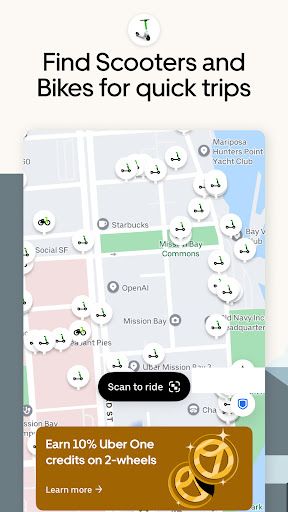
Uber remains one of the most streamlined mobility apps on the market because it does far more than simply book a car. At its core, it is an on-demand transportation platform that adapts to different budgets, trip types, and city lifestyles. Whether you need a low-cost solo ride, a larger vehicle for a group, a premium chauffeur-style experience, or even a scooter for short urban hops, Uber presents a remarkably broad menu of options in a single interface. That flexibility is the app's biggest strength: it turns everyday travel into something that feels organized rather than improvised.
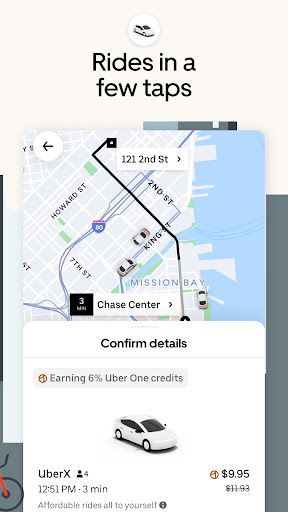
In day-to-day use, Uber is built around speed and clarity. Enter a destination, compare ride categories, check the estimated arrival time, and confirm the trip in just a few taps. The upfront pricing model is especially important because it reduces the uncertainty that used to define ride-hailing. For users juggling commuting costs, airport runs, or late-night trips, seeing the fare before booking makes the experience feel more predictable and trustworthy. Features like Reserve, Group Rides, and Split Fare also show how mature the platform has become, addressing practical travel scenarios instead of forcing a one-size-fits-all solution.
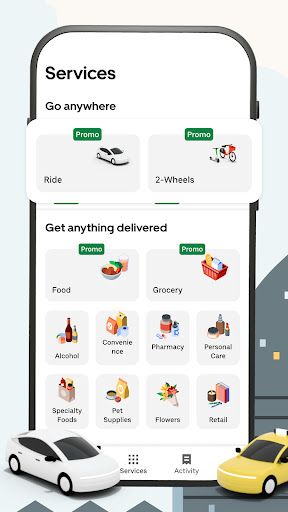
What makes Uber particularly robust is the way it has evolved into a broader transportation ecosystem. Beyond standard rides, the app now folds in electric vehicle options, taxi access in select cities, transit planning, hourly bookings, car rentals, carsharing, and delivery services through Uber Eats and Uber Connect. That level of integration is convenient, but it also introduces complexity. New users may find the app a little crowded, especially when ride services, food delivery, rentals, and business tools compete for attention inside the same environment. Still, the benefit is obvious: Uber increasingly acts as a centralized mobility hub rather than a single-purpose app.
The user experience is generally intuitive, with polished navigation and well-labeled ride tiers that make it easier to understand what you are paying for. Safety tools and rider-driver communication features, including VoIP calling, add reassurance during active trips, and the growing emphasis on electric and hybrid rides gives environmentally conscious users more meaningful choice. That said, the experience can vary depending on city coverage and local service availability. Some of the app's most compelling options, such as Carshare, Taxi, Valet rental delivery, or certain premium categories, are still geographically limited, which can make the platform feel uneven from one market to another.
The verdict is simple: Uber is still one of the most comprehensive and dependable travel apps available. Its strongest appeal lies in convenience, ride variety, and transparent booking flow, while its weakest point is that not every feature is universally accessible. Even so, for users who want a flexible, polished, and increasingly multi-modal way to move around a city, Uber remains a category leader that continues to justify its everyday relevance.









Comments